Capturing the Essence of Senior Pets Through Photography
- Kimberly Cole-Williams
- 7 days ago
- 3 min read

Photographing senior pets offers a unique opportunity to celebrate the beauty and character that come with age. Unlike young animals, senior pets carry stories in their eyes, wrinkles, and gentle movements. Capturing these moments requires patience, understanding, and a thoughtful approach. This post explores practical tips and ideas to help you create meaningful portraits that honor the life and spirit of older pets.

Understanding the Unique Qualities of Senior Pets
Senior pets often move slower and may have physical limitations such as arthritis or impaired vision. These factors influence how you approach photographing them. Instead of rushing, allow extra time for your subject to get comfortable. Observe their natural behavior and look for moments that reveal their personality—whether it’s a quiet gaze, a gentle yawn, or a slow wag of the tail.
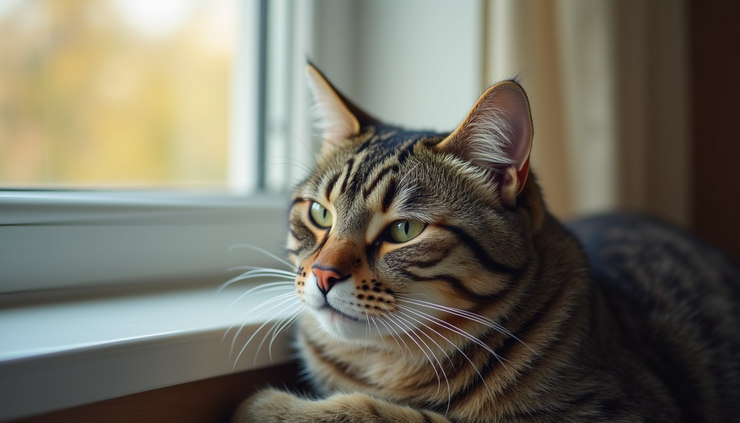
Older pets tend to have distinctive features like graying fur, soulful eyes, and textured skin. These details tell a story of years filled with love and loyalty. Highlighting these characteristics can create powerful images that resonate emotionally.
Preparing for the Photo Session when booking with me.
Preparation is key to a successful shoot with senior pets. Here are some steps to consider:
Choose a familiar and comfortable environment. Pets feel safer in places they know well, such as their favorite room or a quiet garden.
Use natural light whenever possible. Soft, diffused light from windows or shaded outdoor areas flatters older pets and avoids harsh shadows.
Keep sessions short and flexible. Senior pets may tire quickly, so plan for breaks and be ready to pause or stop if needed.
Bring favorite toys or treats. These can help capture attention and encourage gentle interaction.
Techniques for Capturing Emotion and Character
To bring out the essence of senior pets, focus on these photographic techniques: These are things I always think about durring my sessions.
Get down to their eye level. Eye-level shots create intimacy and allow viewers to connect with the pet’s expression.
Use close-ups to emphasize details. Wrinkles, whiskers, and soft eyes tell a story that wide shots might miss.
Capture candid moments. Instead of forcing poses, observe and photograph natural behaviors like resting, sniffing, or gentle play.
Experiment with black and white. Removing color can highlight texture and emotion, giving portraits a timeless feel.
Handling Challenges with Patience and Care
Photographing senior pets requires sensitivity to their needs. Some may have hearing or vision loss, making it harder to get their attention. Others might be anxious or less mobile. Here are ways to handle these challenges: These are all things I think about when booking for client.
Speak softly and move slowly. Sudden movements or loud noises can startle older pets.
Use gentle touch and reassurance. A calm presence helps pets relax and feel safe.
Avoid forcing poses or positions. Let the pet guide the session and respect their comfort level.
Be ready to capture spontaneous moments. Sometimes the best shots happen when the pet is simply being themselves.
Why Photographing Senior Pets Matters
Senior pets deserve to be celebrated for their enduring companionship and unique charm. Photography preserves memories that owners cherish long after their pets are gone. These portraits can also raise awareness about the beauty of aging animals and encourage adoption of older pets.
Taking the time to photograph senior pets with care and respect creates images full of warmth and meaning. It honors their journey and the special bond they share with their humans.
Comments